
What makes a good burger? It’s a question that every burger lover has pondered at some point. From the juiciness of the patty to the freshness of the toppings, a great burger is a harmonious blend of carefully selected burger ingredients and expert cooking techniques. In this complete guide, we will explore the essentials of burger quality, breaking down the components that elevate a simple sandwich into a culinary masterpiece. You’ll learn about key burger ingredients that define quality, including the best meats, buns, and condiments. We’ll also delve into cooking techniques that can make or break your burger experience, ensuring it’s cooked to perfection every time. Don’t underestimate the role of presentation in a good burger, as it enhances the overall enjoyment of this beloved dish. Understanding what makes a good burger matters now more than ever, as home cooking and gourmet experiences become increasingly popular. Whether you are a novice cook or a seasoned grill master, this guide will equip you with the knowledge to create the ultimate burger.
What Makes a Good Burger? Understanding the Basics
As the culinary world continues to embrace gourmet burgers, understanding what makes a good burger has become essential for home cooks and food enthusiasts alike. The rising popularity of unique and artisanal burgers reflects a growing desire for quality and flavor, making it crucial to delve into the fundamental aspects that elevate a simple patty into a memorable meal.
The Importance of Quality Ingredients
At the heart of any great burger lies the quality of its ingredients. High-quality meat is paramount, as it directly influences the burger quality and overall taste. Choosing fresh, grass-fed beef or alternative proteins like bison or plant-based options can significantly enhance flavor. According to the USDA, the way meat is sourced and processed impacts its taste, texture, and safety.
Moreover, the trend toward sustainably sourced ingredients is gaining momentum. Many consumers now seek out organic vegetables, artisan buns, and locally sourced toppings to create a burger that is not only delicious but also environmentally responsible. These burger ingredients play a pivotal role in crafting a dish that is both satisfying and ethically sound.
Balancing Flavors and Textures: What Makes a Good Burger
Another key element in understanding what makes a good burger is achieving a harmonious balance of flavors and textures. A successful burger combines juicy meat, fresh greens, creamy sauces, and a crispy bun, creating an enticing mouthfeel. Cooking techniques, such as grilling or searing, can elevate the burger’s flavor profile by adding a delicious char and enhancing the umami experience.
With an increasing focus on unique flavor combinations and gourmet toppings, there is an opportunity for home cooks to innovate. Whether it’s adding pickled vegetables, gourmet cheeses, or house-made sauces, each element contributes to the overall enjoyment of the burger. As trends evolve, exploring new cooking techniques and ingredient pairings can lead to exciting culinary creations that appeal to diverse palates.
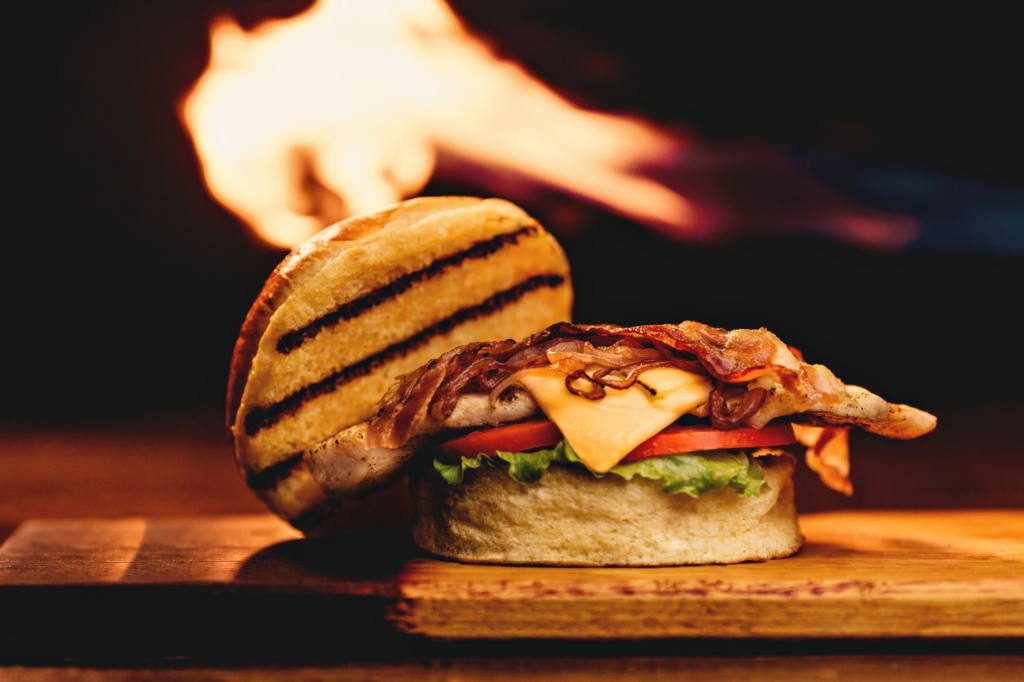
Ultimately, understanding what makes a good burger means embracing quality ingredients and thoughtful preparation. As we move forward into a new era of culinary exploration, the art of burger-making will continue to evolve, reflecting not just personal tastes but also broader trends in sustainability and flavor innovation.
Key Burger Ingredients That Define Quality
Understanding what makes a good burger goes beyond just the cooking techniques; it hinges on the quality of the ingredients used. In today’s world, where consumers are more health-conscious and environmentally aware, the choice of burger ingredients has gained newfound significance. Selecting the right meat and toppings not only elevates flavor but also impacts nutrition and sustainability.
Choosing the Right Meat
The foundation of any great burger is undoubtedly the meat. Grass-fed beef is increasingly favored for its rich flavor and higher omega-3 fatty acid content compared to grain-fed alternatives. Additionally, plant-based options have surged in popularity, providing delicious alternatives without sacrificing taste. Brands like Beyond Meat and Impossible Foods have made significant strides in replicating the texture and flavor of beef, catering to a broader audience concerned about environmental impact and health.
When sourcing meat, consider local farms or specialty butchers who prioritize quality over mass production. This not only ensures fresher products but also supports sustainable practices. Look for certifications like Organic or Certified Humane, which can be indicators of burger quality.
What Makes a Good Burger: Toppings and Condiments
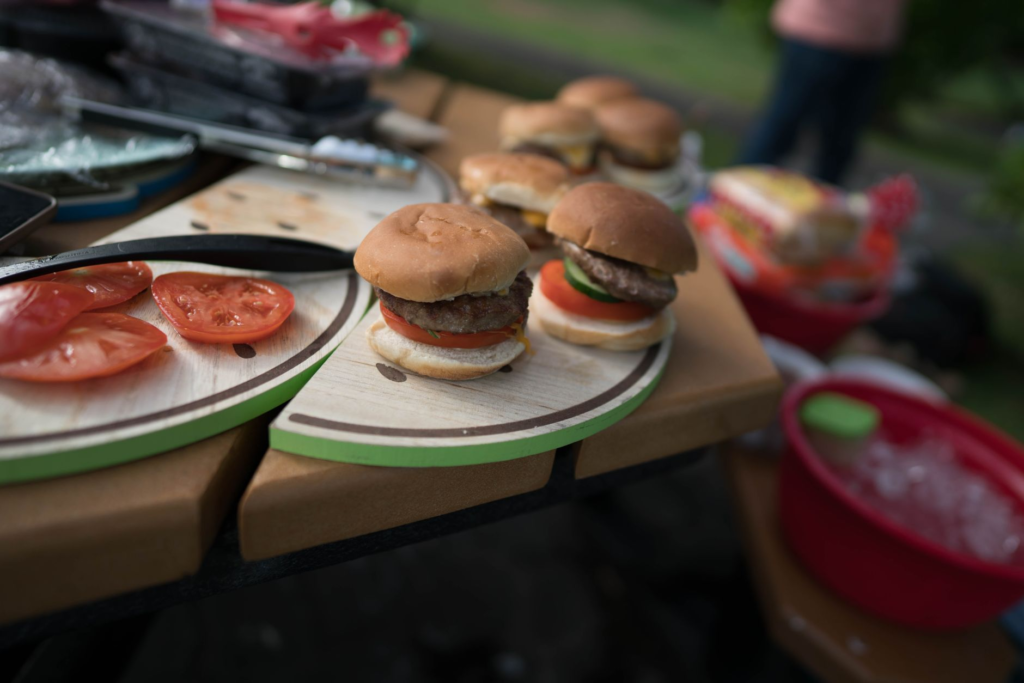
Toppings and condiments play a critical role in defining the overall burger experience. Fresh vegetables, such as crisp lettuce, ripe tomatoes, and tangy pickles, add crunch and flavor, while quality cheeses like aged cheddar or blue cheese enhance richness. Sauces, from classic ketchup and mustard to gourmet aioli or sriracha mayo, can transform a simple burger into a culinary masterpiece.
Opting for fresh, seasonal ingredients can make a significant difference. Consider visiting local farmers’ markets or specialty stores to find the best toppings. Not only will this enhance your burger’s taste, but it also fosters community support and sustainability.
By understanding these key burger ingredients and their implications, you can craft a burger that is not only delicious but also reflective of current food trends and health standards. Elevating your burger game starts with these foundational choices.
Cooking Techniques: How to Perfect Your Burger
When considering what makes a good burger, cooking techniques play a crucial role in elevating the overall experience. As summer grilling season approaches, understanding the nuances of different cooking methods can help you achieve that juicy, flavorful patty you crave. Two popular methods, grilling and pan-searing, each have their unique advantages and drawbacks.
Grilling vs. Pan-Searing: What Makes a Good Burger?
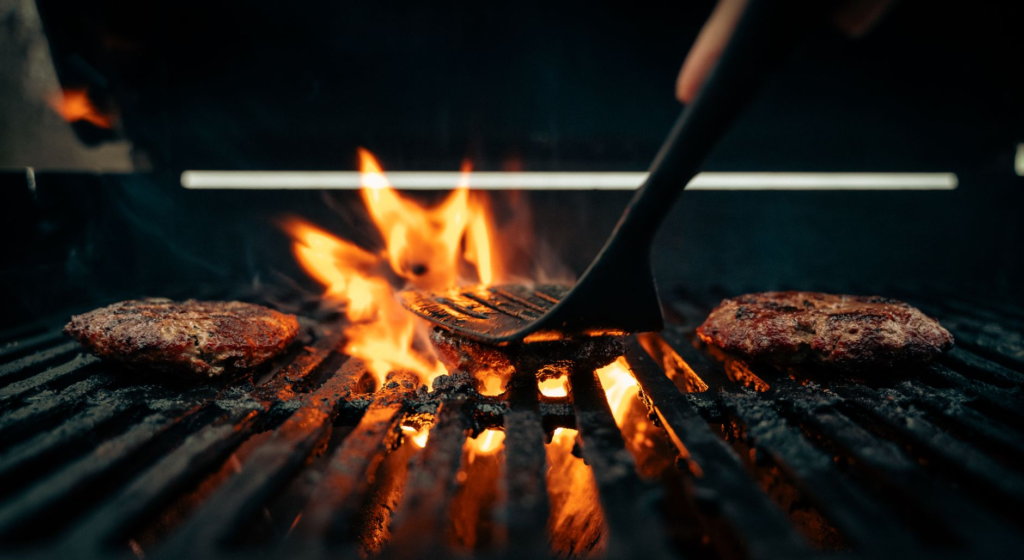
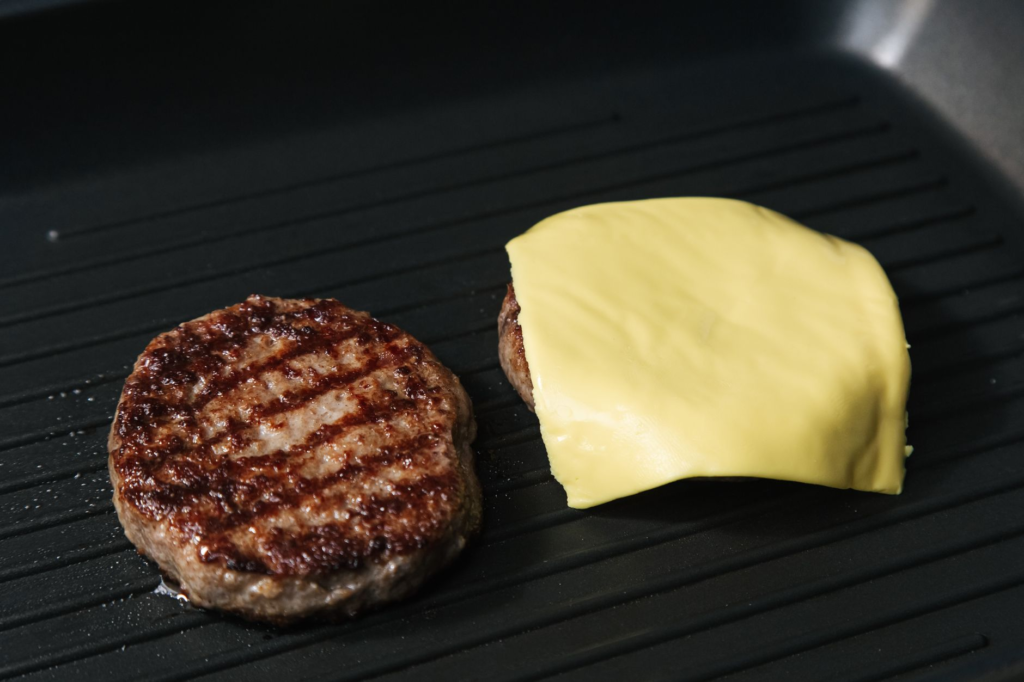
Grilling is often seen as the quintessential way to cook a burger, infusing it with a smoky flavor that many find irresistible. The high heat from the grill creates a beautiful crust while keeping the inside juicy. However, weather and equipment can sometimes be limiting factors. On the other hand, pan-searing allows for greater control over temperature and doneness, making it a favorite for indoor cooking. A cast-iron skillet can achieve a perfect sear, creating a rich, caramelized exterior.
- Pros of Grilling: Adds smoky flavor, can cook multiple burgers at once.
- Cons of Grilling: Dependent on weather, requires more attention to maintain heat.
- Pros of Pan-Searing: Greater temperature control, indoor convenience.
- Cons of Pan-Searing: Limited cooking space, may not achieve the same smoky flavor.
Regardless of the method you choose, achieving the perfect burger also hinges on cooking temperature and doneness. For ground beef, the USDA recommends a minimum internal temperature of 160°F (71°C) to ensure safety. Using a meat thermometer is essential for accuracy. Insert it into the center of the patty, and be sure to allow for a resting time after cooking, as this helps redistribute juices.
Temperature and Doneness: Key to Understanding Burger Quality
Understanding doneness levels can also enhance your burger-making skills. A medium-rare burger, for example, is cooked to about 130°F (54°C) and offers a tender, juicy experience. To achieve these levels, timing is everything. Typically, a burger will need about 3 to 4 minutes per side for medium doneness, but this can vary based on thickness and heat source.
By mastering these cooking techniques, you can significantly improve your burger quality, ensuring that every bite is a delicious experience. For a deeper dive into the nuances of burger ingredients, consider exploring Smash Burger vs Regular Burger: What’s the Difference?.
The Role of Presentation in a Good Burger
When considering what makes a good burger, the role of presentation cannot be underestimated. In today’s culinary world, where social media reigns supreme, a visually striking burger can elevate a simple meal into an Instagram-worthy experience. A well-presented burger not only captures attention but also enhances the perceived quality of the burger ingredients and the overall dining experience.
Building the Perfect Burger Stack
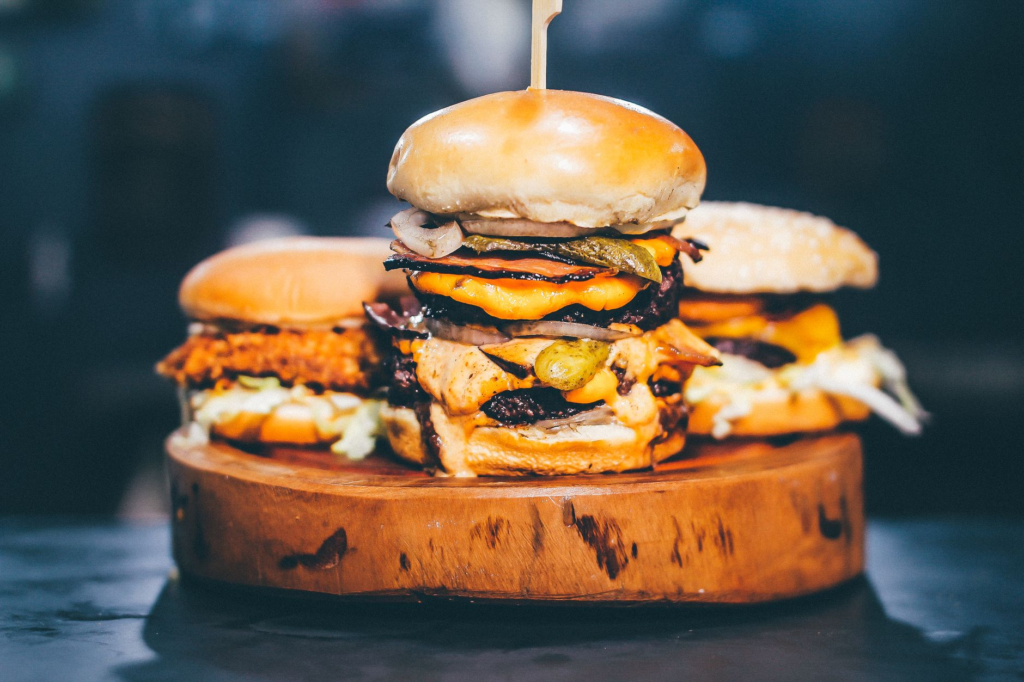
Layering ingredients is key to creating a burger that looks as good as it tastes. Start with a solid base, such as a toasted bun, and build upwards, carefully layering your patties, cheese, and toppings. Ensure that each component is visible; for instance, allowing the vibrant colors of fresh lettuce, ripe tomatoes, and crisp pickles to peek through can add to the visual appeal. Consider using a variety of textures and colors to make the burger pop; for example, a sprinkle of microgreens or a slice of avocado can introduce freshness and contrast to the burger quality.
Don’t forget the importance of garnishes. A few well-placed herbs, such as cilantro or parsley, can accentuate the burger while adding a touch of finesse. The overall height of your burger stack can also make a difference; a taller burger suggests abundance and indulgence, which is precisely what many burger lovers seek.
Serving Suggestions for What Makes a Good Burger
Not only does the burger itself need to shine, but the way it is served can also enhance the experience. Pair your burger with classic sides like crispy fries or coleslaw, which not only complement the main dish but also provide additional textures and flavors. Consider creative options like sweet potato fries or a side salad to keep things fresh and exciting.
Moreover, presentation extends beyond the burger to the entire plate. Use colorful dishware and arrange your sides thoughtfully. A clean, well-organized plate can elevate the appeal of your burger and make the meal feel more special. Thoughtful serving ideas can transform a simple burger night into a memorable dining occasion, allowing you to appreciate what makes a good burger even more. Gourmet Burger vs Classic Burger: Which is Better?
Why Understanding What Makes a Good Burger Matters Now
Trends in Burger Consumption
As the culinary landscape evolves, understanding what makes a good burger is more important than ever. Recently, we’ve witnessed a surge in burger consumption trends, driven by changing consumer preferences. The rise of plant-based burgers is one of the most significant trends, with companies like Beyond Meat and Impossible Foods leading the charge. According to market research, the plant-based burger sector is expected to grow significantly, reflecting a shift towards healthier, more sustainable eating habits.
Additionally, gourmet toppings and unique flavor combinations are becoming standard. Ingredients like kimchi, avocado, and specialty cheeses are finding their way into burger recipes, allowing home cooks and restaurants to elevate their offerings. This trend underscores the importance of understanding burger ingredients and their impact on overall burger quality.
The Future of Burger Innovations: What Makes a Good Burger?
Looking forward, the future of burgers is ripe for innovation. With advancements in cooking techniques and ingredient sourcing, we can expect to see even more creative approaches to burger making. Sous vide cooking, for instance, is gaining popularity as a method to achieve the perfect doneness while retaining moisture and flavor. As home cooks experiment with these techniques, the possibilities for crafting a delicious burger are endless.
Moreover, the integration of technology in food production and preparation is set to reshape the burger industry. From lab-grown meats to innovative plant-based alternatives, the evolution of burger ingredients will likely open new avenues for flavor and nutrition. Embracing these trends not only enhances your cooking skills but also allows for a deeper appreciation of what makes a good burger in today’s culinary world.
As we navigate these exciting changes, both home cooks and professional chefs must adapt and keep experimenting to stay ahead in the burger game. The journey to understanding what makes a good burger is an evolving adventure that promises to bring delicious discoveries.
Understanding what makes a good burger goes beyond just the choice of meat. The right burger ingredients can elevate your creation, ensuring a balance of flavors and textures. Don’t forget that burger quality is paramount; fresh, high-quality components will always shine through, no matter the cooking techniques you use. Whether you prefer grilling, pan-searing, or even broiling, mastering these methods can lead to delicious results.
Now that you have a clearer understanding of what makes a good burger, it’s time to put your knowledge to the test. Gather your favorite ingredients, experiment with different cooking techniques, and create your ultimate burger. Share your creations with friends and family, and don’t hesitate to explore more about the art of burger-making. Happy grilling!
“`html
What makes a good burger?
A good burger is a harmonious blend of quality ingredients, cooking techniques, and personal taste. The foundation starts with a well-seasoned patty made from high-quality meat, ideally freshly ground. A good burger also includes fresh toppings, like crisp lettuce, ripe tomatoes, and flavorful sauces. The bun should complement the patty, offering both texture and flavor without overpowering it. Ultimately, what makes a good burger is the balance between these elements, allowing each bite to deliver a satisfying and delicious experience.
What are the best burger ingredients?
The best burger ingredients include high-quality beef, ideally with a fat content of around 15-20% for flavor and juiciness. Fresh vegetables like lettuce, tomatoes, onions, and pickles add crunch and freshness. Tasty cheeses, such as cheddar or blue cheese, enhance flavor complexity. Condiments like ketchup, mustard, or aioli can elevate the taste. Finally, a sturdy, fresh bun is essential to hold everything together. Experimenting with unique toppings, such as avocado or specialty sauces, can also add a personal touch to your burger.
How can I ensure burger quality?
To ensure burger quality, start with fresh, high-quality ingredients. Choose grass-fed or organic beef for superior flavor and texture. Properly handle and store your meat to avoid contamination. When forming patties, avoid overworking the meat, as this can lead to a dense texture. Season the patties generously with salt and pepper before cooking, and use a meat thermometer to check doneness. Finally, keep your cooking surface clean and well-heated to achieve a perfect sear and caramelization.
What cooking techniques are best for burgers?
The best cooking techniques for burgers include grilling, pan-frying, and broiling. Grilling adds a distinct smoky flavor, while pan-frying allows for better control of the cooking temperature and a nice crust. Broiling is a great option for cooking burgers evenly, especially if you lack outdoor grilling space. Regardless of the method, ensure that the cooking surface is preheated and that you let the burgers rest for a few minutes after cooking to retain their juices, enhancing overall flavor and juiciness.
Is it better to grill or pan-fry burgers?
Whether to grill or pan-fry burgers depends on personal preference and available equipment. Grilling imparts a unique smoky flavor and allows excess fat to drip away, leading to a leaner burger. It also provides those coveted grill marks. On the other hand, pan-frying offers better temperature control and can create a delicious crust on the burger. Both methods can produce excellent results, so choose based on what you enjoy and the flavors you want to achieve in your burger.
How do I know when my burger is done cooking?
The best way to know when your burger is done cooking is by using a meat thermometer. For ground beef, the internal temperature should reach 160°F (71°C) for medium doneness. If you prefer your burgers medium-rare, aim for an internal temperature of 130-135°F (54-57°C). Additionally, you can check for firmness; a well-done burger feels firm to the touch, while medium will have a bit of give. Always allow the burgers to rest for a few minutes before serving to ensure juices redistribute throughout.
“`