
When it comes to the age-old debate of smash burger vs regular burger, food enthusiasts often find themselves divided. Understanding the nuances of these two popular burger styles can elevate your culinary experience and help you appreciate the delicious differences. This article explores key burger differences, delving into the unique burger cooking styles that define each approach. We’ll also touch on the importance of food education in making informed choices about what you eat. Whether you’re tempted to try making your own smash burger at home or simply want to know what sets these burgers apart, this guide has you covered. Additionally, we’ll look at the future of burgers and the trends to watch in this ever-evolving food landscape. Ready to become a burger aficionado? Let’s dive into the tasty world of smash burgers and regular burgers!
Understanding Smash Burger vs Regular Burger
The culinary landscape is ever-evolving, and one of the most notable trends in recent years has been the rise of the smash burger. But what exactly sets a smash burger apart from a regular burger? Understanding these distinctions is essential for food education and enhancing our appreciation of different burger cooking styles. Let’s explore the definitions and origins of each type, as well as their growing popularity.
What is a Smash Burger?
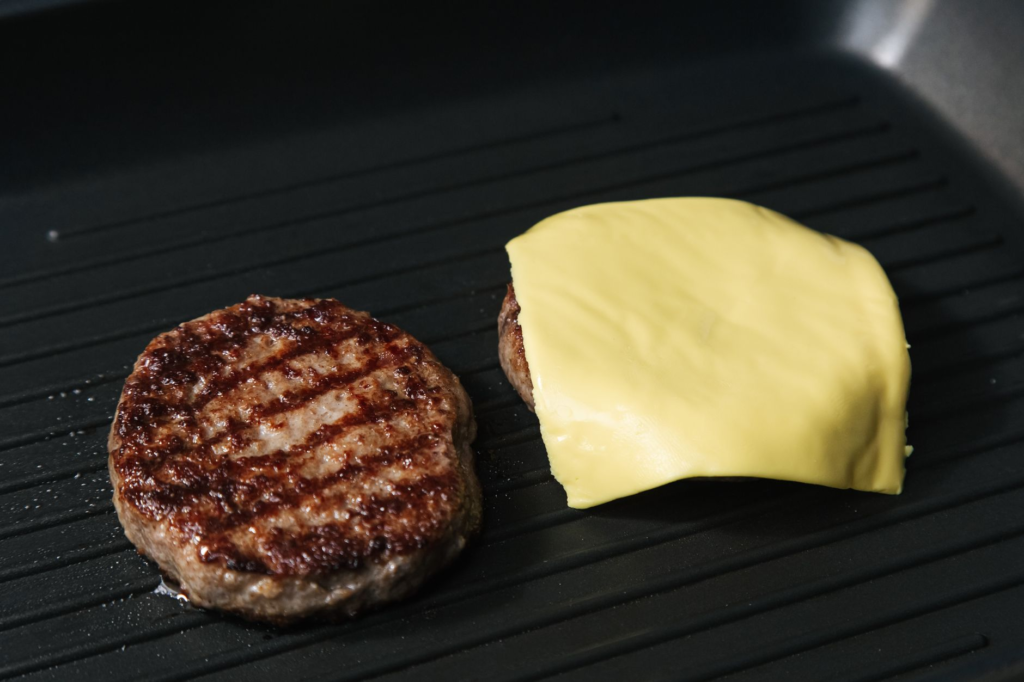
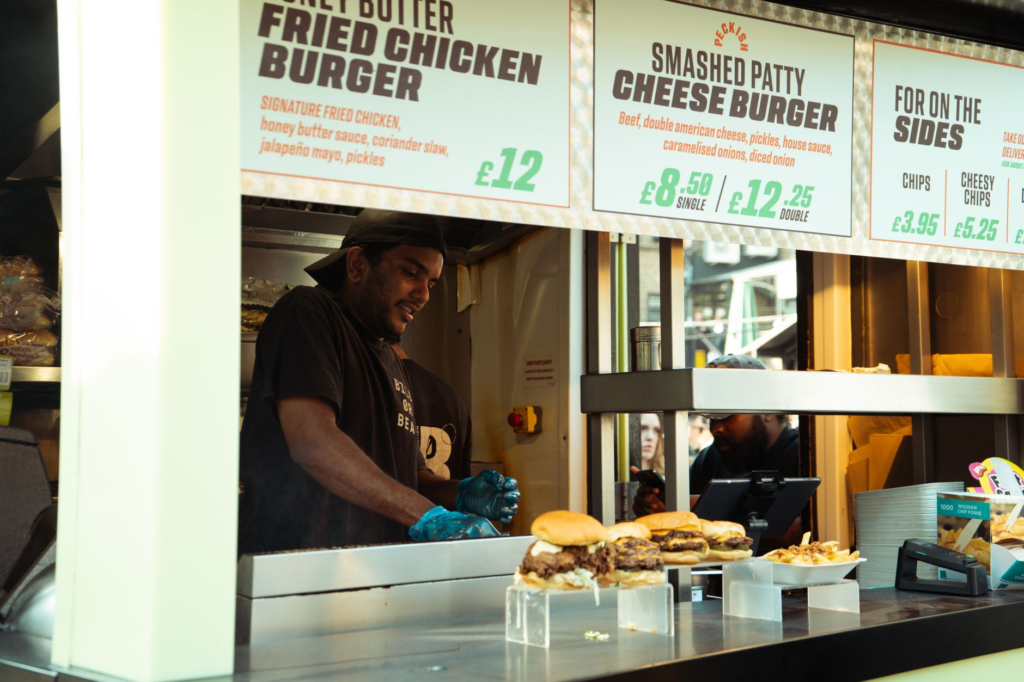
A smash burger is characterized by its preparation method, which involves taking a ball of ground beef and smashing it onto a hot cooking surface. This technique creates a crispy exterior while retaining a juicy interior. The origins of the smash burger date back to the 2000s, with its popularity surging in burger joints and food trucks across the United States. The key to its appeal lies in the Maillard reaction, which enhances the flavor and texture of the beef, resulting in a satisfying bite. In recent years, the smash burger has gained a loyal following, becoming a staple on many modern menus.
What is a Regular Burger?
In contrast, a regular burger typically refers to a patty that is formed and cooked without the smashing technique. This burger cooking style often includes thicker patties that are grilled or fried and may be seasoned before cooking. Regular burgers have a long history, with origins tracing back to the 19th century in the United States. They are often served in classic settings, such as diners and backyard barbecues, and can be customized with a variety of toppings. The differences between smash burgers and regular burgers highlight the diversity within the burger world and cater to various tastes.
As the culinary community embraces diverse burger differences, the smash burger is likely to continue its rise in popularity. For enthusiasts and casual diners alike, understanding the nuances of smash burger vs regular burger not only elevates the dining experience but also supports the broader movement towards gourmet fast food options. Gourmet Burger vs Classic Burger
Key Burger Differences: Smash vs Regular
Cooking Techniques: Smash Burger vs Regular Burger
When it comes to burger cooking styles, the method of preparation significantly impacts the final product. A smash burger is created by taking a ball of ground beef and pressing it onto a hot cooking surface, usually a griddle or a cast-iron skillet. This technique not only flattens the patty but also promotes the Maillard reaction, resulting in a beautifully caramelized crust. The intense heat and the pressing action help lock in juices, creating a distinct texture that is crispy on the outside and tender within.
In contrast, a regular burger is usually formed into a thicker patty and cooked without pressing. This method allows for a more pronounced beef flavor, but may not achieve the same level of crustiness as its smashed counterpart. Regular burgers often have a more traditional juicy interior, but this can sometimes lead to a softer texture overall.
Flavor Profiles: Comparing Smash and Regular Burgers
The flavor profiles of smash burgers and regular burgers showcase their unique cooking methods. The smash burger, with its crispy edges and intensified beefy flavor, delivers a savory experience that is both satisfying and texturally complex. The crust formed during cooking adds a delightful crunch, enhancing each bite.
On the other hand, regular burgers tend to highlight the natural juiciness of the beef, offering a classic taste that many have come to love. While they may not provide the same textural contrast, they shine with a robust flavor that can be further enhanced by toppings and condiments.
Understanding these burger differences is essential for food education enthusiasts and culinary adventurers alike. Whether you’re a fan of the crispy allure of a smash burger or the hearty nature of a regular burger, exploring these variations can elevate your dining experience. As the burger landscape continues to evolve, it will be interesting to see how chefs innovate and blend these cooking styles to create exciting new flavors.
Food Education: Why It Matters Now
Understanding Smash Burger vs Regular Burger in Culinary Trends
In recent years, the culinary landscape has witnessed a significant shift towards diverse burger cooking styles, with smash burgers gaining immense popularity. This trend is not just about taste; it reflects a broader movement in food education that emphasizes unique dining experiences. According to a survey by Statista, 45% of Americans eat burgers at least once a week, showcasing the enduring love for this classic dish. However, as consumers become more adventurous, they are increasingly drawn to the unique flavor profiles and textures offered by smash burgers.
The rise of smash burgers highlights a growing consumer preference for quality and craftsmanship in food. Unlike traditional burgers, which are often grilled or broiled, smash burgers are pressed onto a hot cooking surface, creating a caramelized crust that enhances flavor. This cooking technique not only elevates the taste but also invites home cooks and chefs alike to experiment with different ingredients and toppings. As this culinary trend evolves, it creates opportunities for food education to flourish, informing diners about the burger differences and cooking techniques that contribute to their favorite meals.
Consumer Preferences and the Smash Burger vs Regular Burger Debate
Today’s diners are seeking out restaurants that offer distinct and memorable experiences. A survey by Nation’s Restaurant News indicates that over 60% of consumers are willing to pay more for gourmet-style burgers, reflecting their desire for quality over quantity. This shift is influencing restaurant menus across the nation, as eateries adapt to meet the desires of a curious and discerning clientele.
As more people embrace food education, understanding the nuances behind smash burger vs regular burger becomes essential. This knowledge not only enhances the dining experience but also empowers home cooks to recreate these delicious meals. Whether you prefer the simplicity of a classic burger or the bold flavors of a smash burger, being informed about the differences can lead to more enjoyable culinary adventures.
Making Your Own: Smash Burger vs Regular Burger at Home
With the recent surge in home cooking and burger experimentation, understanding the smash burger vs regular burger dynamic is more relevant than ever. Each burger cooking style brings unique flavors and textures to the table, making food education an essential part of appreciating these culinary creations. Here’s a practical guide to crafting both types of burgers in your kitchen.
Ingredients You’ll Need
- For Smash Burgers:
- Ground beef (80/20 blend recommended)
- Salt and pepper
- Burger buns (preferably soft and toasted)
- Cheese (American or cheddar)
- Toppings (lettuce, tomato, pickles, onions)
- For Regular Burgers:
- Ground beef (80/20 blend recommended)
- Salt and pepper
- Burger buns (sturdy and toasted)
- Cheese (optional)
- Toppings (similar to smash burgers)
Step-by-Step Cooking Guide for Smash Burger vs Regular Burger
- Prepare Your Ingredients: Gather all ingredients and preheat your grill or skillet over medium-high heat.
- For Smash Burgers:
- Form loose balls of ground beef (about 2 ounces each).
- Place the balls onto the hot skillet, then immediately press down with a spatula to create a thin patty.
- Season with salt and pepper. Cook for about 2-3 minutes, flip, and add cheese if desired.
- For Regular Burgers:
- Form patties from the ground beef, ensuring they are thicker than smash burgers.
- Season both sides and place on the hot grill or skillet.
- Cook for about 4-5 minutes on each side, adding cheese in the last minute if desired.
- Assemble: Place the patties on toasted buns and add your favorite toppings.
Both burger styles invite creativity, so don’t hesitate to experiment with different toppings and seasonings. Understanding the burger differences can enhance your cooking skills and broaden your culinary repertoire. Whether you prefer the crispy, caramelized edges of a smash burger or the hearty bite of a regular burger, the choice is yours to enjoy.
The Future of Burgers: Trends to Watch
As the culinary landscape evolves, the discussion around smash burger vs regular burger has expanded to include innovative cooking methods and emerging food trends. Understanding these shifts is essential not just for burger enthusiasts, but also for anyone interested in food education and sustainable eating practices.
Innovations in Cooking: The Smash Burger vs Regular Burger Debate
The rise of plant-based alternatives has significantly influenced burger cooking styles. Companies like Beyond Meat and Impossible Foods have introduced products that aim to replicate the taste and texture of traditional beef burgers, providing consumers with more choices. These options are not just for vegetarians; they appeal to a broader audience looking to reduce meat consumption for health or environmental reasons. In fact, a report by Statista indicates that the plant-based food market is projected to reach $74 billion by 2027.
Moreover, innovative cooking techniques, such as sous-vide and smoking, are gaining traction. These methods enhance flavor while offering new dimensions to the classic burger experience. The traditional smash burger, known for its crispy edges and rich flavor, contrasts with the regular burger’s thicker, juicier profile. Each style showcases the versatility of burgers and highlights the unique burger differences that cater to various palates.
Sustainability Considerations in the Burger Landscape
With climate change and environmental degradation becoming increasingly pressing issues, sustainability in food choices is more critical than ever. The burger industry is responding to this demand by exploring eco-friendly practices, such as sourcing ingredients locally and minimizing food waste. For instance, some restaurants are adopting regenerative agriculture principles to ensure their meat and produce contribute positively to the ecosystem. According to the World Resources Institute, shifting towards plant-based diets could reduce greenhouse gas emissions significantly.
As consumers become more conscious of their food choices, the importance of sustainability will shape the burger landscape moving forward. Whether it’s embracing plant-based options or adopting new cooking methods, the future of burgers will likely reflect a blend of innovation and responsibility. These trends not only enhance our dining experiences but also promote a healthier planet for future generations.
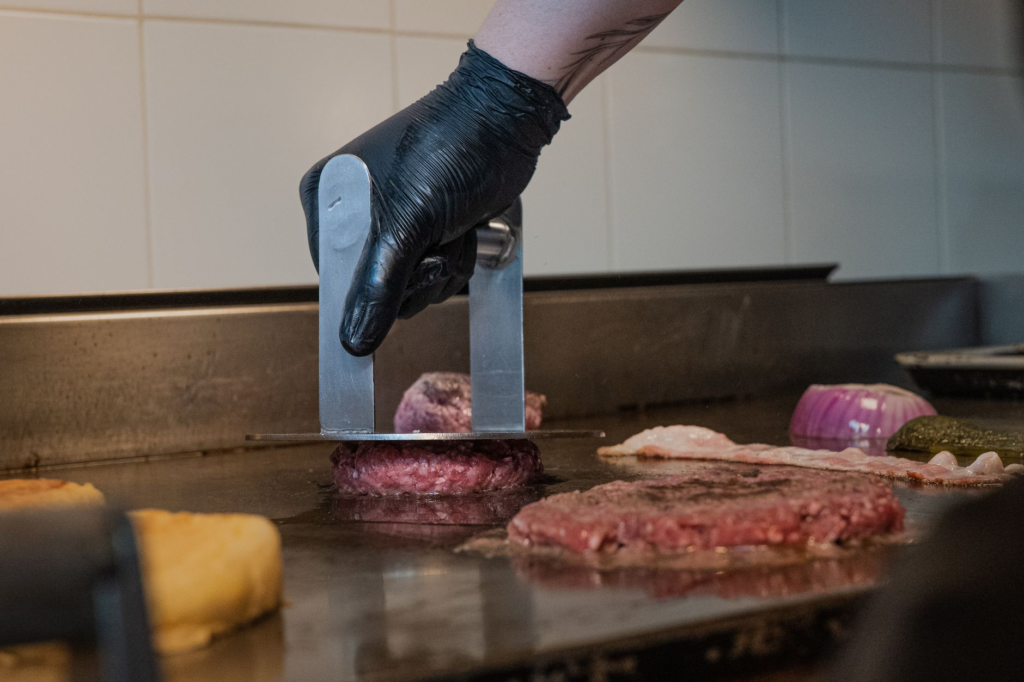
The debate of smash burger vs regular burger often comes down to personal preference and cooking techniques. Smash burgers are known for their crispy edges and juicy interiors, while regular burgers tend to maintain a thicker patty shape, allowing for varying degrees of doneness. Understanding these burger differences helps elevate your food education, enabling you to appreciate the unique qualities of each style.
Whether you opt for the classic approach or the trendy smash technique, experimenting with different burger cooking styles can lead to delicious discoveries. Next time you fire up the grill, consider trying both methods and see which one satisfies your cravings the most. Happy grilling!
“`html
What is the difference between a smash burger and a regular burger?
The primary difference between a smash burger and a regular burger lies in the cooking technique and the resulting texture. A smash burger is made by pressing a ball of ground beef onto a hot grill or skillet, creating a crispy, caramelized crust while keeping the inside juicy. In contrast, a regular burger is typically shaped into a patty and cooked without smashing, resulting in a thicker, juicier burger. Understanding the smash burger vs regular burger differences can help you choose the style that best suits your taste.
How do you cook a smash burger?
To cook a smash burger, start by preheating a flat-top grill or a cast-iron skillet over high heat. Form balls of ground beef, ideally 80/20 lean-to-fat ratio, and place them on the hot surface. Use a spatula to press down firmly on each ball, flattening it into a patty. Cook for about 2-3 minutes until a crust forms, then flip and cook for an additional minute or two. Add cheese if desired, and serve immediately on a toasted bun with your favorite toppings.
Why are smash burgers so popular?
Smash burgers have gained popularity due to their unique texture and flavor profile. The smashing technique allows for maximum Maillard reaction, creating a crispy exterior while preserving a juicy interior. This contrast appeals to many burger enthusiasts. Additionally, the simplicity and speed of cooking smash burgers make them ideal for both home cooks and restaurants, contributing to their rise in popularity. Their adaptability with toppings and sauces also makes them a favorite among diverse palates.
What ingredients are best for making burgers at home?
For making delicious burgers at home, start with high-quality ground beef, preferably an 80/20 lean-to-fat ratio for optimal flavor and juiciness. Freshly baked buns, preferably brioche or potato rolls, enhance the overall experience. Choose toppings like lettuce, tomatoes, pickles, and cheese, along with sauces like mayonnaise, ketchup, or mustard. Additionally, consider seasoning the patties with salt and pepper before cooking to elevate the flavor. These ingredients are essential for a satisfying burger experience.
Can you make a smash burger on a grill?
Yes, you can make a smash burger on a grill, though a flat-top grill or cast-iron skillet is often preferred for even cooking. If using a traditional grill, ensure it is preheated and well-oiled to prevent sticking. Place the beef balls on the grill and smash them down with a spatula, following the same cooking technique as you would on a skillet. The grill adds a smoky flavor that can enhance the overall taste of the smash burger.
What cooking styles are used for burgers?
There are several burger cooking styles, including grilling, pan-frying, broiling, and even sous vide. Grilling is the most popular, imparting a smoky flavor. Pan-frying and broiling yield delicious crusts but may require more attention to avoid drying out. The smash burger style involves pressing the meat on a hot surface to create a crispy exterior. Each method has its own merits, and experimenting with different burger cooking styles can lead to delicious results and a better understanding of burger differences.
“`